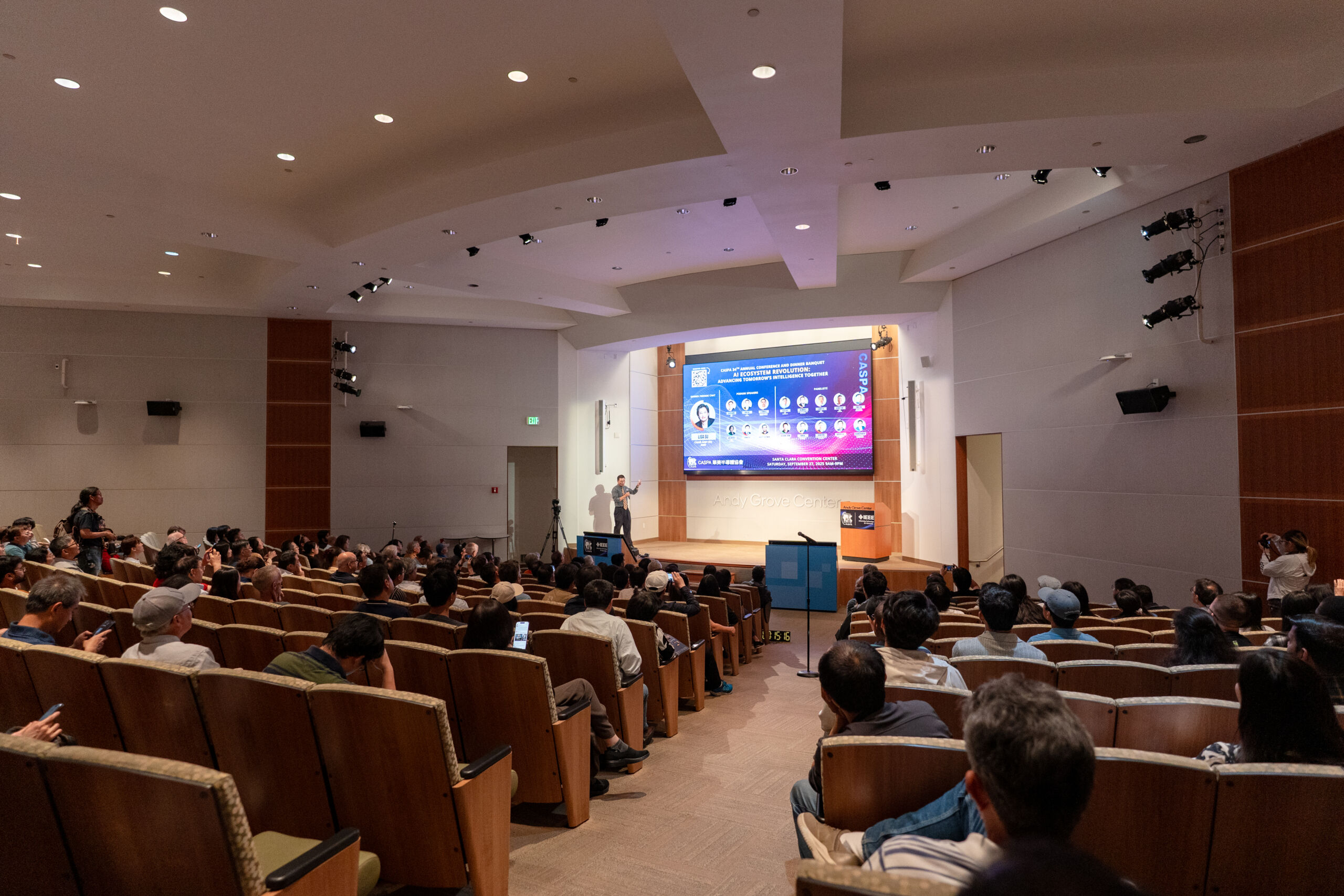
On July 18, 2026, the Chinese American Semiconductor Professional Association (CASPA) and the IEEE Santa Clara Valley Section jointly hosted the 2026 Summer Symposium at the Intel SC12 Auditorium. Centered on the theme, “Paving the AI Super-highway: Where Power Meets Intelligence,” the symposium brought together more than 400 professionals from the semiconductor, power electronics, AI, data center, and academic communities. As the first large-scale technical symposium co-hosted by CASPA and IEEE, the event marked an important milestone in fostering cross-disciplinary collaboration between industry and academia.
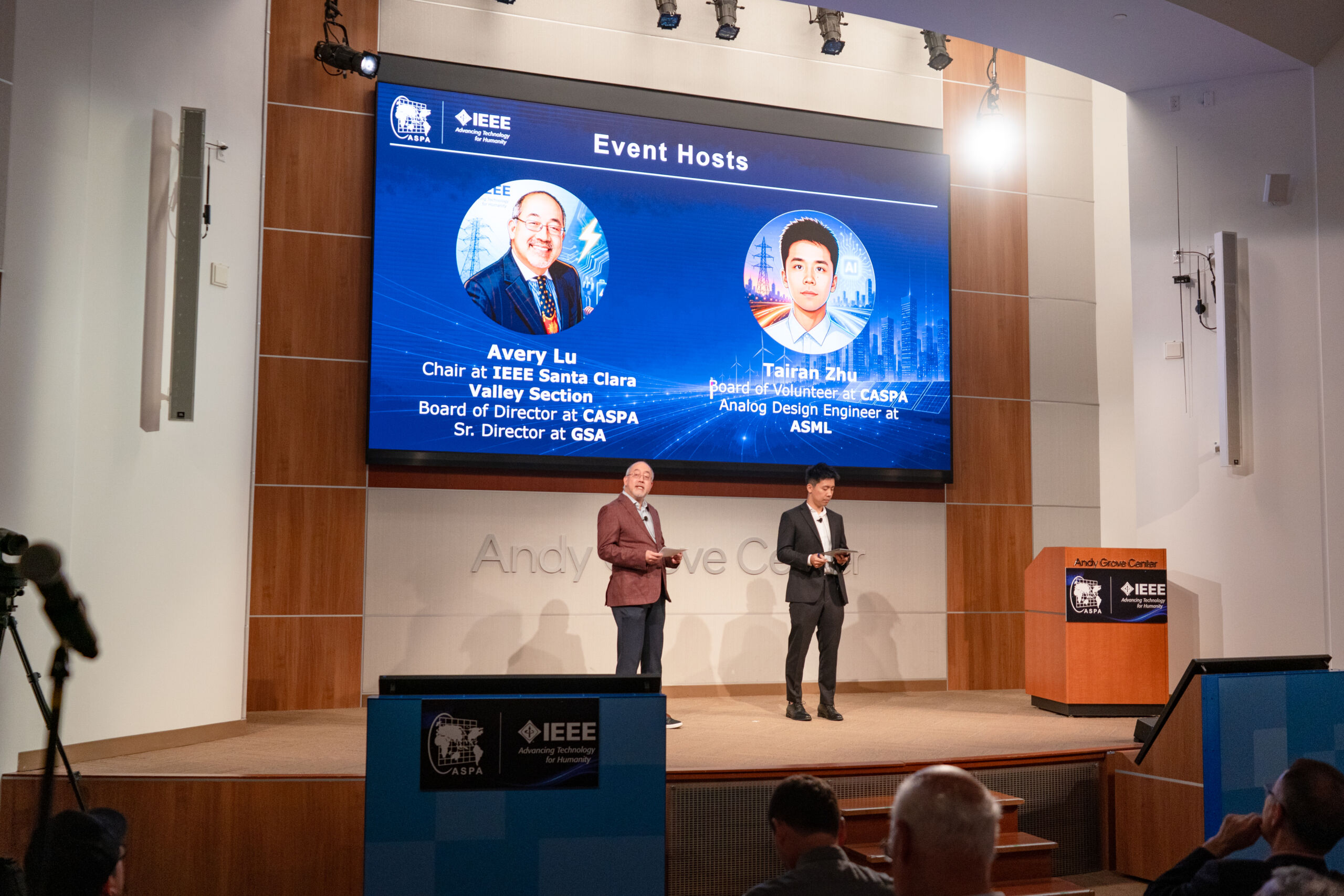
The symposium opened with welcoming remarks from Dr. Gary Wang, President of CASPA, and Avery Lu, Chair of the IEEE Santa Clara Valley Section. They introduced the missions and initiatives of their respective organizations and emphasized the importance of collaboration across industry and academia to address the opportunities and c hallenges presented by the AI era.
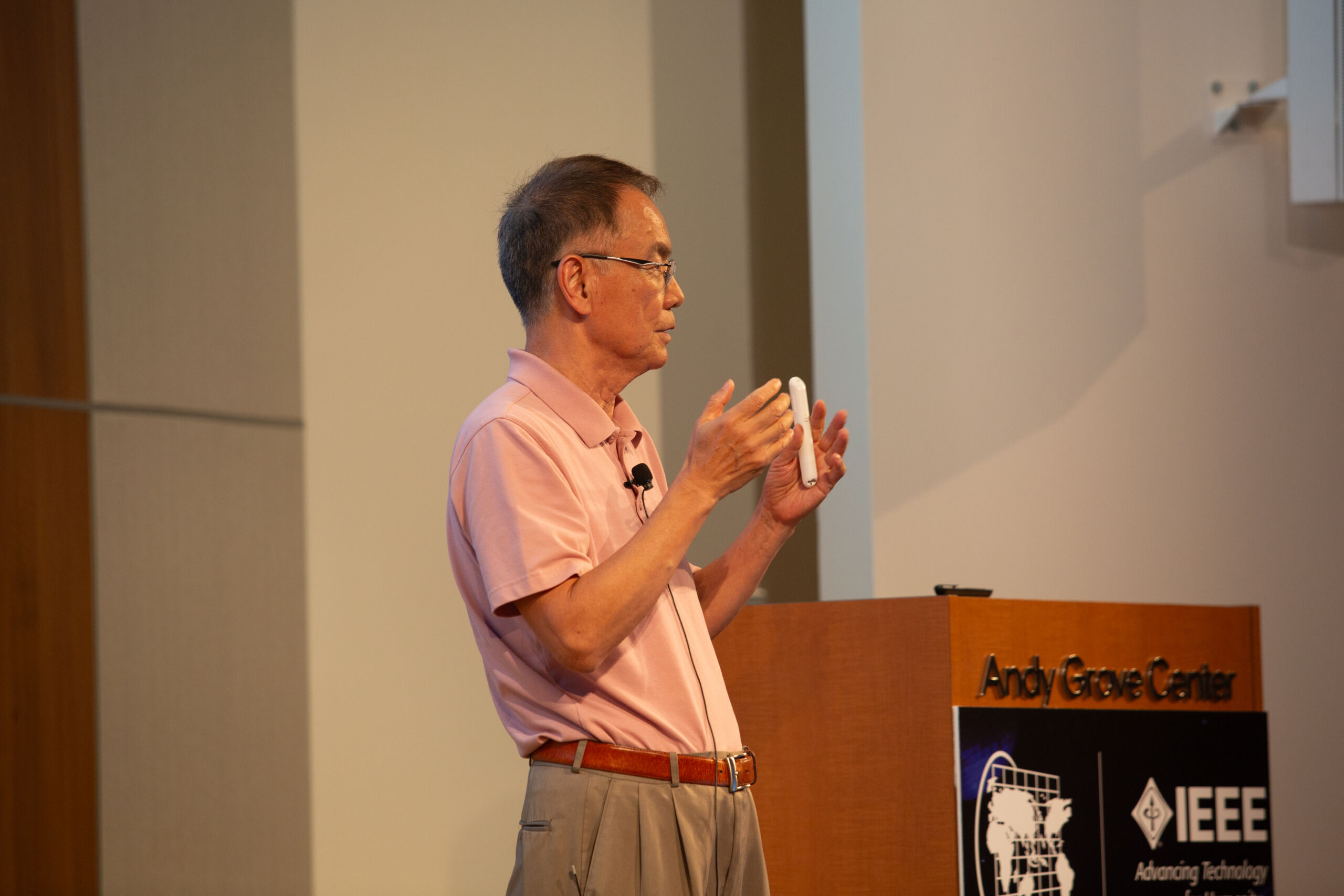
The keynote session began with Dr. Yogesh Ramadass, Vice President and Fellow at Wolfspeed, who discussed how wide-bandgap semiconductor technologies, including SiC and GaN, are enabling more efficient power delivery for AI data centers and modern grid infrastructure.
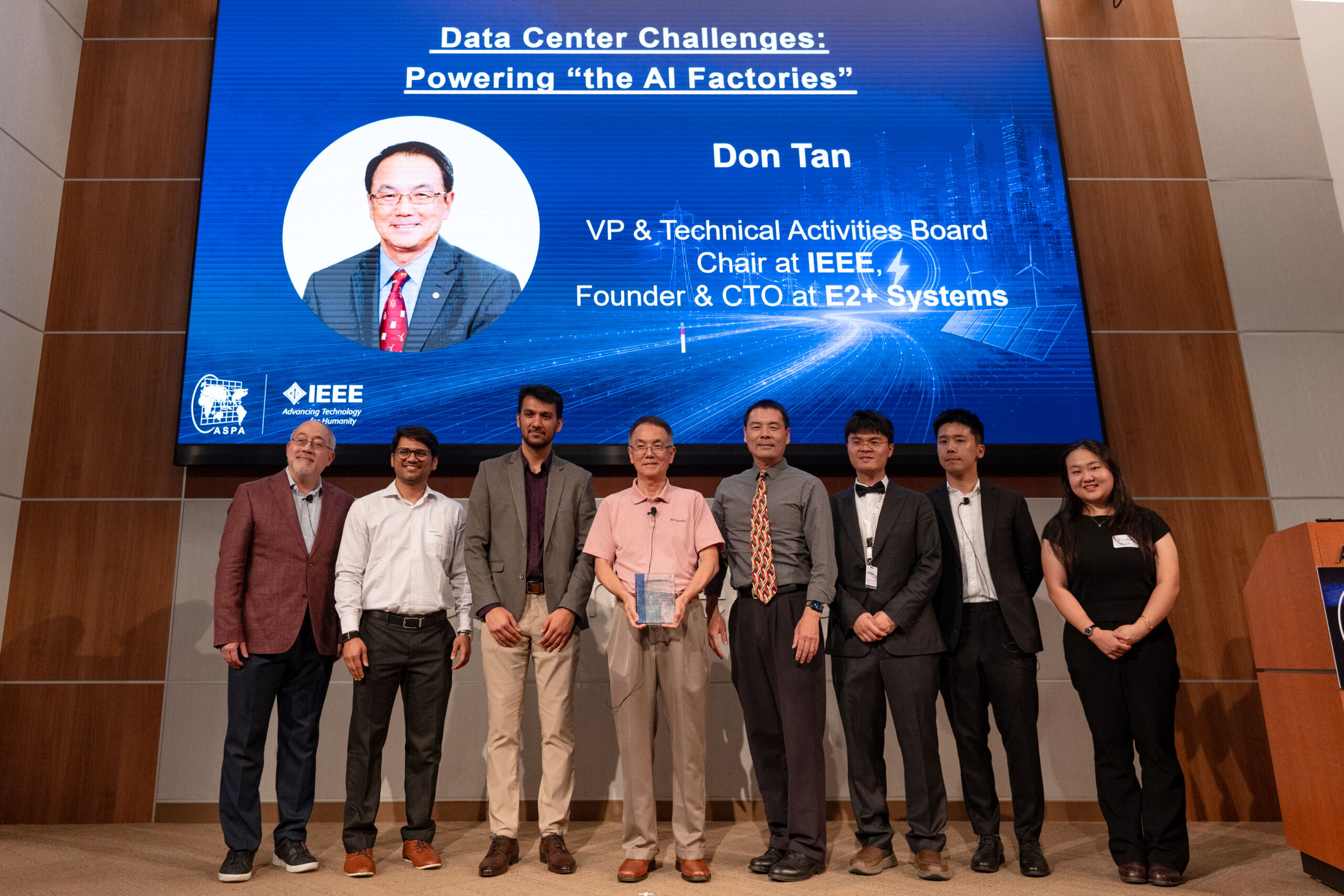
The second keynote was delivered by Dr. Don Tan, Founder and CTO of E2+ Systems, a member of the U.S. National Academy of Engineering (NAE), and an IEEE Fellow. In his presentation, “Data Center Challenges: Powering the AI Factories,” Dr. Tan examined the rapidly growing power demands of AI data centers and explored emerging technologies—including liquid cooling, high-voltage DC power distribution, microgrids, FeLPT, and next-generation UPS systems—that are helping overcome the AI “Power Wall.”
The third keynote featured Gaoling Zou, Senior Director of Communications and Cloud Infrastructure Power at Analog Devices. In his talk, “Grid to Core: Power Delivery Rearchitected for AI,” he presented the evolving end-to-end power delivery architecture for AI data centers, demonstrating how highly efficient power management solutions are reshaping power distribution from the utility grid all the way to AI processors.
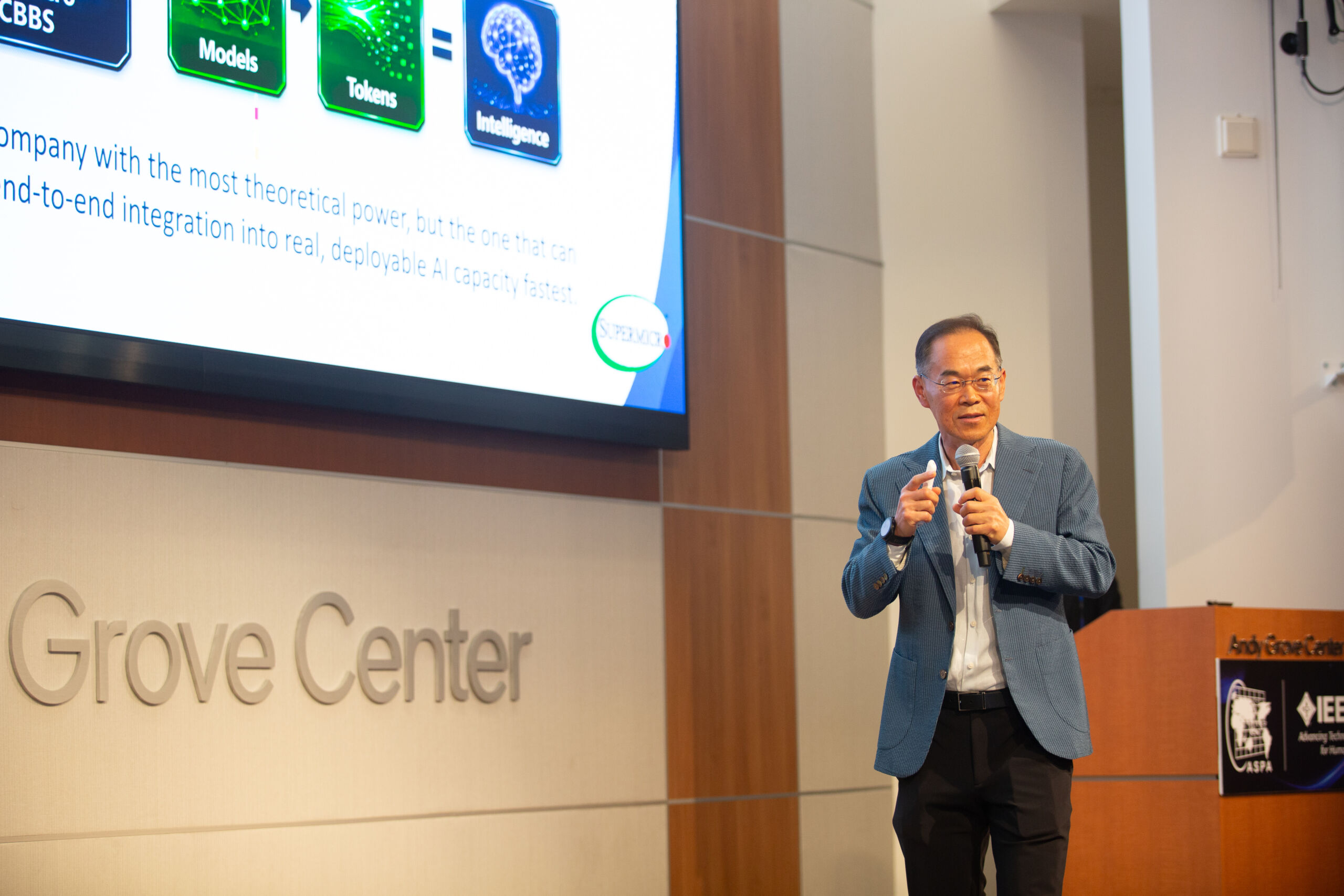
The final keynote was presented by Ray Pang, Senior Vice President at Supermicro, who leads the company’s Technology and Business Enablement organization. In “Powering AI with Supermicro Data Center Building Block Solutions (DCBBS),” he shared Supermicro’s integrated AI infrastructure strategy and highlighted how modular, energy-efficient data center solutions are accelerating AI deployment while reducing power consumption and time to deployment.
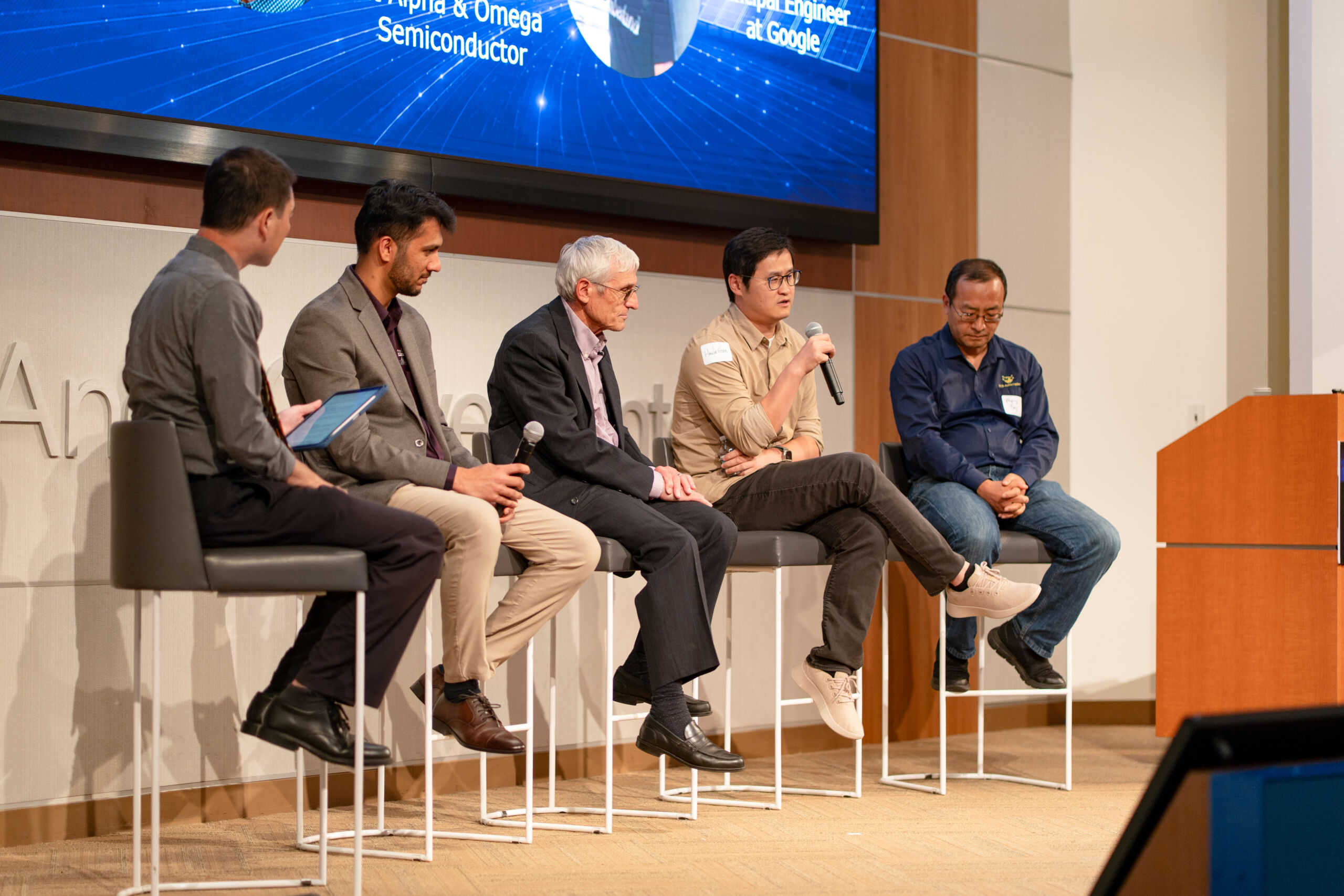
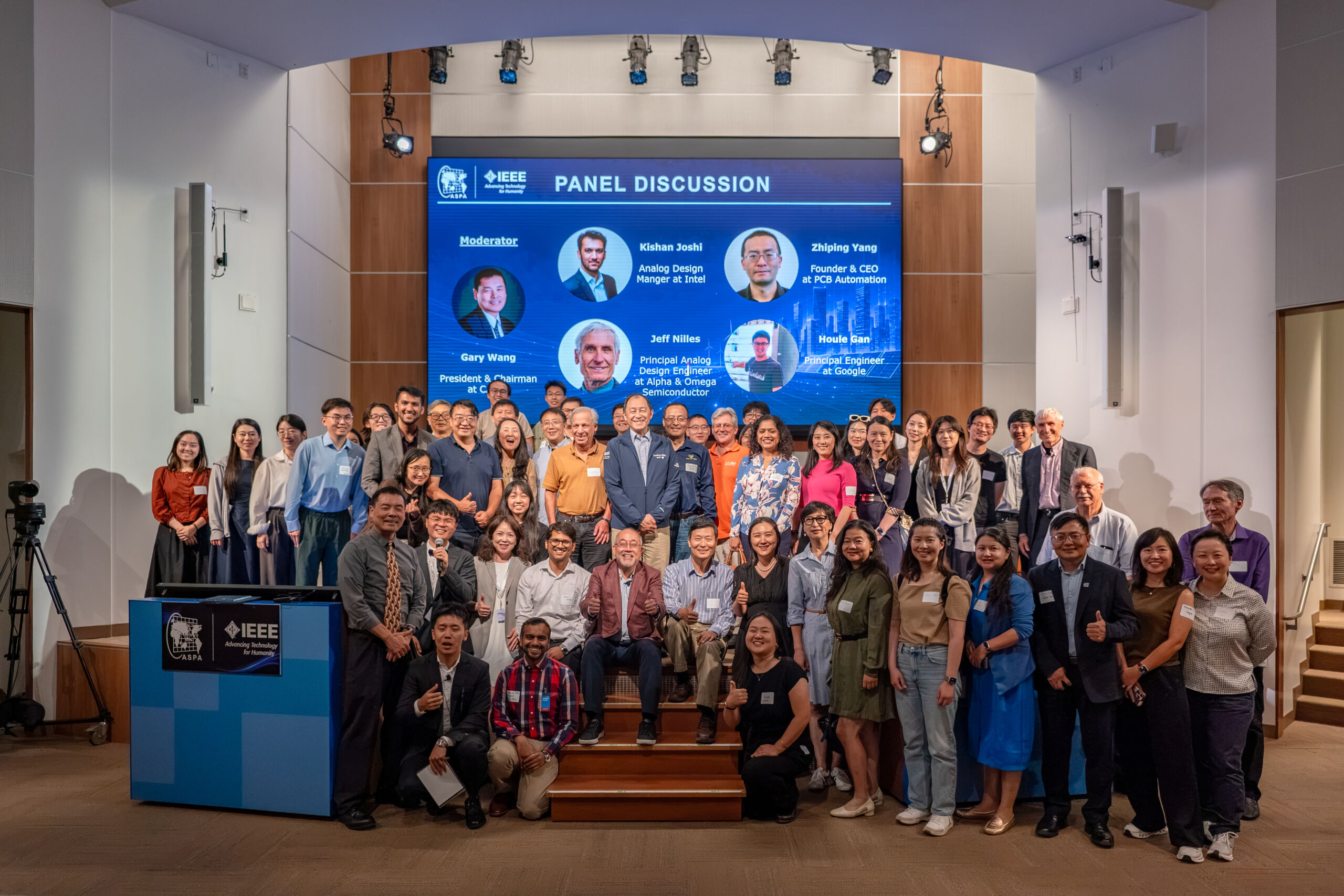
The symposium concluded with a panel discussion moderated by Dr. Gary Wang, featuring Dr. Kishan Joshi (Intel), Dr. Zhiping Yang (Founder and CEO, PCB Automation), Jeff Nilles (Principal Analog Design Engineer, Alpha & Omega Semiconductor), and Dr. Houle Gan (Principal Engineer, Google). The panel explored the evolution of AI data center power architectures—from 800V and 400V distribution, through 48V and 24V intermediate buses, down to low-voltage power delivery at the processor level. Discussions also addressed current industry challenges and emerging technologies, including liquid cooling, intelligent power optimization, high-voltage DC distribution, and solid-state transformers, leading to an engaging exchange with the audience.
The symposium highlighted the critical convergence of AI and power technologies while providing a valuable platform for technical exchange among industry leaders, researchers, and professionals. CASPA and IEEE reaffirmed their commitment to expanding future collaborations through high-quality technical events that advance innovation in semiconductors, artificial intelligence, and power electronics.